Canada Thistle: The Invasive Weed That's
Canada Thistle: The Invasive Weed That's Taking Over North America
Canada thistle is a highly invasive weed that is native to Europe, Western Asia, and Northern Africa. It was first introduced to North America in the 1600s and has since spread to all 50 states and most Canadian provinces.
Canada thistle is a perennial plant that can grow up to 6 feet tall. It has a deep, branching root system that allows it to survive in poor soil conditions. The leaves are lance-shaped and have sharp spines along the edges. The flowers are purple or pink and bloom in the summer.
Canada thistle is an aggressive invader that can quickly outcompete native plants. It spreads by seed and by its extensive root system. The seeds can travel long distances in the wind, and the roots can send up new shoots from even the smallest fragment.
Canada thistle is a major problem for farmers, ranchers, and land managers. It can reduce crop yields, degrade rangeland, and make it difficult to control other invasive species. It also poses a hazard to livestock and humans, as the sharp spines can cause injury.
There are a number of methods for controlling Canada thistle, but no single method is completely effective. Some common control methods include:
- Hand pulling: This is the most effective method for small infestations, but it is labor-intensive and time-consuming.
- Mulching: This can help to smother young plants and prevent them from establishing.
- Herbicides: There are a number of herbicides that can be used to kill Canada thistle, but they must be used carefully to avoid harming native plants.
- Biological control: This involves introducing insects or other organisms that feed on Canada thistle. However, biological control is not always effective and can sometimes have unintended consequences.
The best way to control Canada thistle is to prevent it from becoming established in the first place. This can be done by:
- Educating the public about the dangers of Canada thistle and how to identify it.
- Removing any existing infestations as soon as possible.
- Taking steps to prevent the spread of Canada thistle, such as not transporting infested plants or soil.
Canada thistle is a serious problem, but it is not insurmountable. With education, prevention, and proper control measures, we can work to keep this invasive weed in check.
Canada thistle is a common invasive weed that can be found in many parts of the world. It is a perennial plant that can grow up to 5 feet tall and has a long, spreading root system. Canada thistle can be difficult to control, as it can resprout from its roots even after being cut or pulled.
If you are concerned about Canada thistle on your property, you can visit the Garden Wiki for more information about this weed. The website provides a wealth of information about Canada thistle, including its identification, biology, and control methods. You can also find helpful tips on how to prevent Canada thistle from spreading to other areas.
The Garden Wiki is a valuable resource for anyone who wants to learn more about Canada thistle. The website is well-organized and easy to navigate, and the information is presented in a clear and concise way. I highly recommend visiting the website if you are interested in learning more about this invasive weed.
FAQ of canada thistle
- What is Canada thistle?
Canada thistle (Cirsium arvense) is an invasive perennial weed that is native to Europe and Asia. It is a member of the daisy family and is characterized by its spiny leaves, purple flowers, and long, spreading roots. Canada thistle is a very difficult weed to control and can quickly spread to dominate an area.
- Why is it called Canada thistle?
The name "Canada thistle" is thought to have originated in New England, where early settlers blamed the plant's arrival on French traders from Canada. However, the plant is actually native to Europe and Asia.
- What are the negative impacts of Canada thistle?
Canada thistle can have a number of negative impacts on the environment and human health. It can displace native plants, reduce crop yields, and make it difficult to walk through an area. The plant's sharp spines can also cause injury to people and animals.
- How can I control Canada thistle?
There are a number of ways to control Canada thistle, but no single method is completely effective. Some common methods include:
- Hand pulling: This is the most effective method for small infestations, but it can be time-consuming and labor-intensive.
- Mowing: Mowing can help to weaken the plant, but it will not kill it.
- Biological control: There are a number of insects and other organisms that can be used to control Canada thistle.
- Chemical control: There are a number of herbicides that can be used to kill Canada thistle. However, it is important to use herbicides carefully and only when necessary, as they can also harm native plants and animals.
- What are some of the benefits of Canada thistle?
Despite its negative impacts, Canada thistle does have some potential benefits. The plant's roots can be used to make a tea that has been used to treat a variety of ailments, including tuberculosis, diarrhea, and stomachache. The plant's leaves can also be used to make a poultice that can be applied to wounds to help them heal.
Image of canada thistle
5 different images of Canada thistle from Pinterest:
- Canada thistle flower: This image shows a single Canada thistle flower in full bloom. The flower is purple with a yellow center.
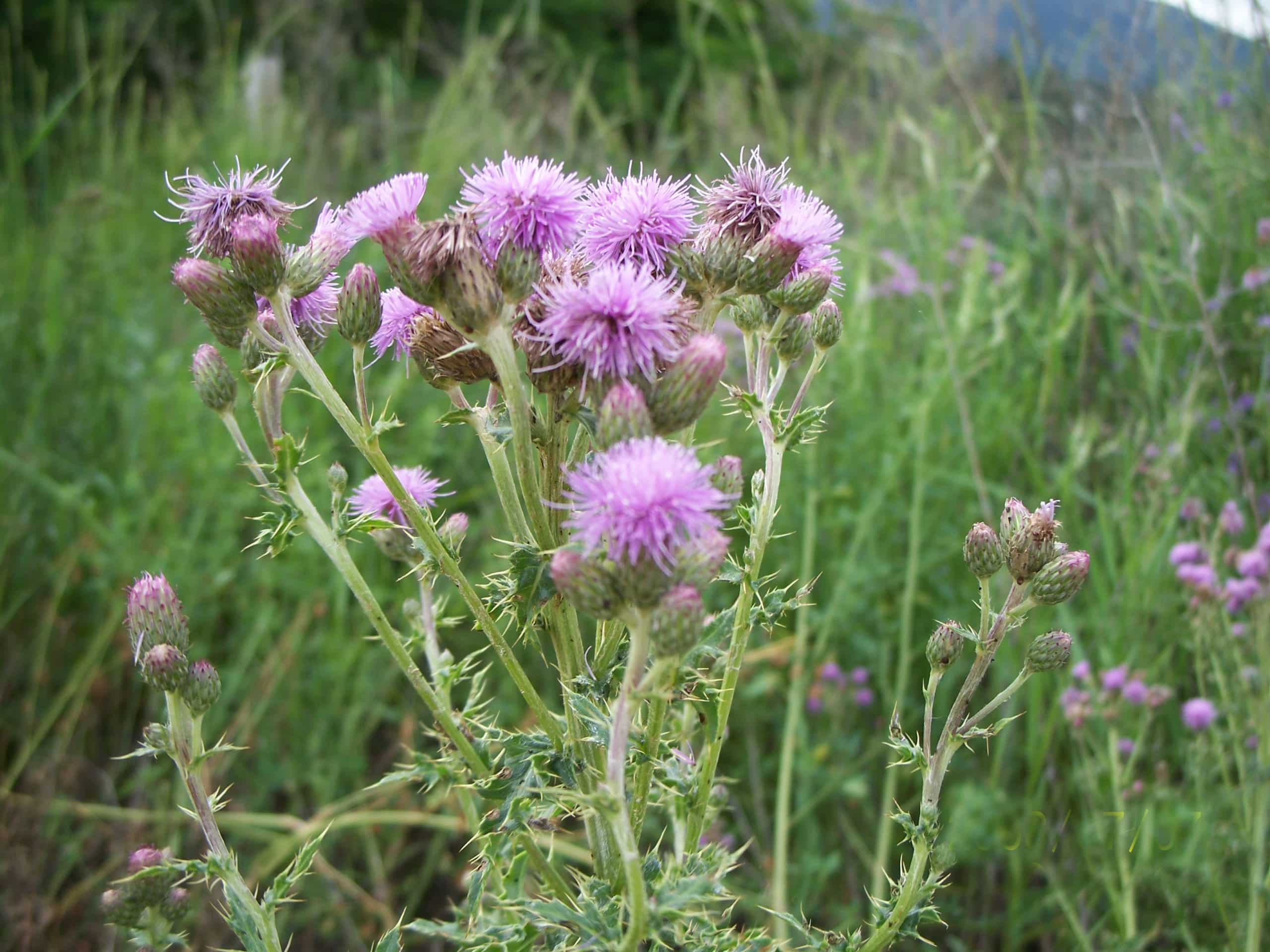
- Canada thistle plant: This image shows a Canada thistle plant in full growth. The plant has several purple flowers and is covered in sharp thorns.
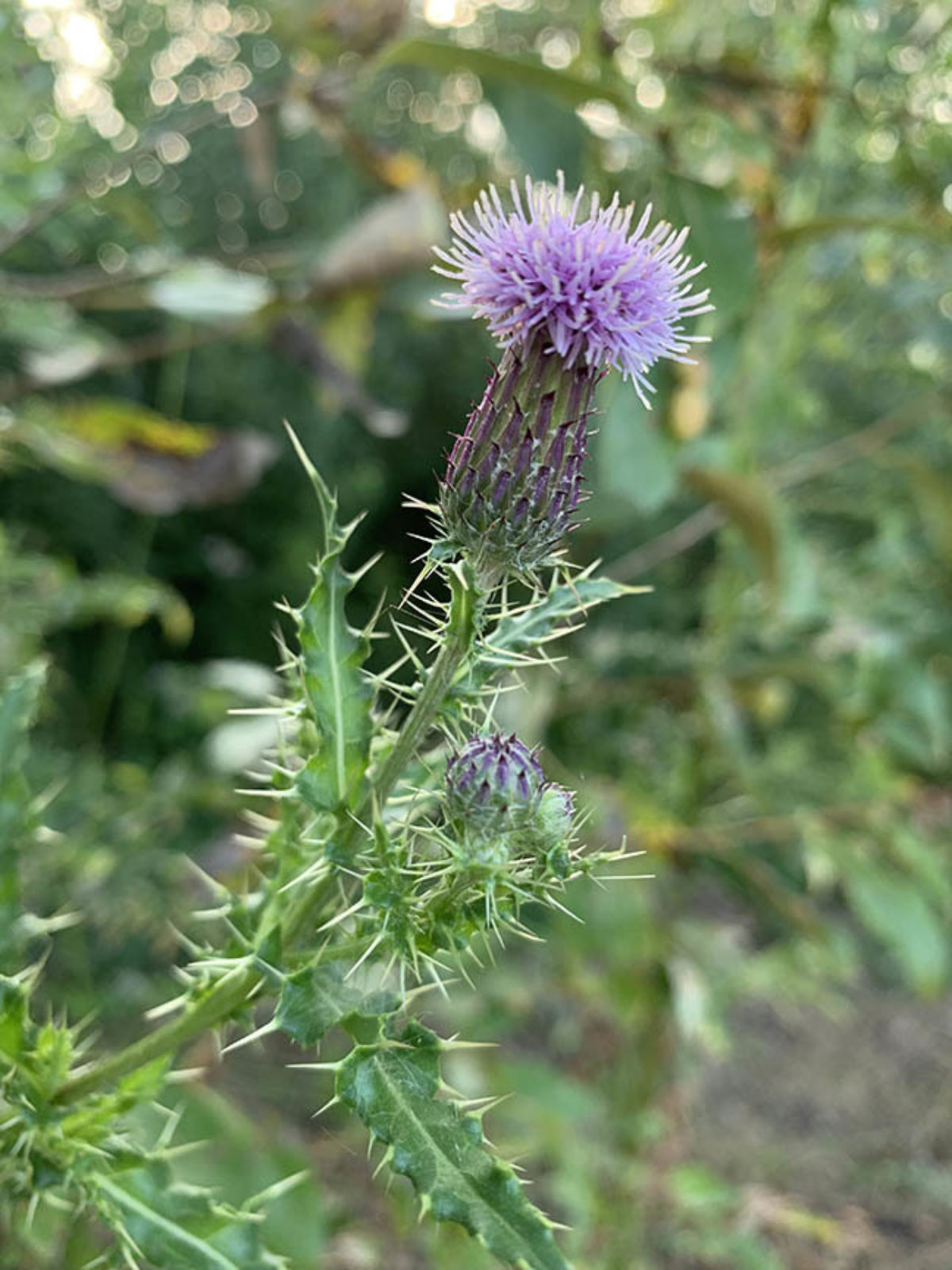
- Canada thistle closeup: This image shows a closeup of a Canada thistle flower. The flower's petals are covered in tiny hairs.
- Canada thistle field: This image shows a field of Canada thistle plants. The plants are in full bloom and cover the ground in a sea of purple.
- Canada thistle in hand: This image shows a person holding a Canada thistle plant. The plant's thorns are clearly visible.


Post a Comment for "Canada Thistle: The Invasive Weed That's"